
The Myth of Guaranteed Wins
One of the most pervasive myths surrounding casino gambling is the belief that players can secure guaranteed wins through specific strategies or systems. Many individuals tout strategies like card counting in blackjack or betting systems such as Martingale, believing these methods can systematically lead to profit. However, casinos are designed with house edges built into the games that ensure they maintain a profit over time, and those interested in maximizing their chances might explore various betting sites that offer tips and resources. This means that while strategies may help manage funds or influence outcomes in the short term, they cannot overcome the inherent odds set by the casino.
Moreover, the perception that luck can be manipulated often draws players into a false sense of security. Gamblers may think that by using certain rituals or betting patterns, they can influence their success. In reality, every game in a casino is based on randomness. For instance, slot machines use random number generators to ensure that each spin is entirely unpredictable, rendering any notion of “due” wins or patterns irrelevant. Thus, the idea of guaranteed wins is merely a myth that leads to misguided hopes.
Understanding this myth is vital for responsible gambling. Players must recognize that the primary purpose of casino games is entertainment rather than a reliable income source. By managing expectations and approaching gambling as a leisure activity, individuals can enjoy their time at the casino without falling prey to the belief in guaranteed successes. This awareness fosters a healthier relationship with gaming and reduces the likelihood of developing gambling problems. Recognizing the truth about odds helps players set realistic goals, allowing them to enjoy the thrill without the burden of unrealistic expectations.
The Illusion of Skill in Games of Chance
Another common misconception is that skill can significantly influence outcomes in games that are predominantly chance-based, such as slots or roulette. While it’s true that some casino games allow for skillful play, particularly card games like poker or blackjack, many games simply do not allow for player input in a way that affects the odds. Roulette, for instance, is a game of chance where players place bets on a spinning wheel. No matter how much a player thinks they can predict the ball’s landing spot, luck ultimately governs the game.
This myth is often perpetuated by those who have experienced a few lucky breaks, leading them to believe that practice or strategic thinking can substantially impact their performance in all forms of gambling. In reality, the principles of probability and randomness dictate that most outcomes are outside a player’s control. For example, while a poker player may be able to bluff their way to success in a game, their ability does not extend to non-strategic games, where skill may provide no advantage. Understanding the nature of each game helps clarify what is achievable through strategy versus luck.
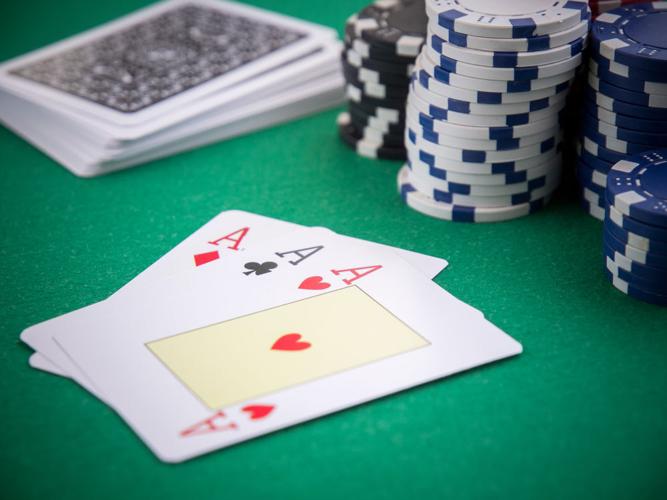
Recognizing the limits of skill in games of chance is important for setting realistic expectations. Those who focus solely on skill may overlook the enjoyment of gaming or become frustrated by their losses. Embracing the fun unpredictable nature of casino games can enhance the overall experience and enable players to enjoy their time more fully. It is essential to play responsibly, acknowledging the role of chance in every game rather than chasing unrealistic aspirations of skill-based victories. This mindset not only fosters a healthier approach to gambling but also encourages players to appreciate the entertainment value of gaming.
The Belief in “Hot” and “Cold” Machines
The belief that slot machines can be “hot” or “cold” is another myth that can lead players astray. Gamblers often enter a casino and observe certain machines, assuming those that have recently paid out are less likely to do so again soon, while those that haven’t paid off for a while are overdue for a win. This notion is inaccurate, as each spin of a slot machine is random and independent of the previous outcomes. Even if a machine has paid out multiple times, it does not affect its future performance.
This myth can also lead to players prolonging their time at the casino, seeking out machines they believe are on the verge of a big payout. It is crucial to understand that slot machines work on algorithms designed to ensure that each play is distinct and unaffected by prior outcomes. Just as a coin flip has no memory of previous flips, a slot machine does not track its payouts or losses in a way that allows players to predict future wins. Appreciating the randomness of these machines can help players make informed choices about where to spend their money.
Moreover, the idea of hot and cold machines can fuel a mindset of chasing losses. Players who believe they are playing a “due” machine may end up overspending in hopes of a payout that may never come. Being aware of this myth encourages players to set budgets and limits, focusing on the entertainment aspect rather than the false lure of patterns and expectations. This understanding leads to healthier gambling habits and greater enjoyment of the gaming experience, allowing players to appreciate the thrill of the game without the pressure of expecting certain outcomes.
The Misconception of Casino Loyalty Programs
Loyalty programs offered by casinos often create misconceptions about the benefits they provide. Many players assume that being part of these programs guarantees consistent rewards such as free play, meals, or hotel stays. While loyalty programs do aim to reward frequent players, the actual value derived from these rewards can vary significantly. Not every player will earn rewards, and many players may find that the perks do not offset their losses over time.
Additionally, some gamblers may become overly reliant on loyalty programs, believing that their status will somehow enhance their odds of winning. In reality, loyalty points are typically awarded based on the amount of money wagered rather than any direct correlation to winning outcomes. This illusion can lead players to spend more than they originally intended, under the misguided belief that their loyalty will translate into financial success. Understanding the mechanics of these programs is critical for approaching casino gambling with a balanced mindset.
Ultimately, loyalty programs should be viewed as a way to enhance the overall casino experience rather than as a path to guaranteed winnings. They can provide benefits that add to the enjoyment of a gaming trip, but players must remain cautious about how much they spend to take advantage of these rewards. A healthy approach to loyalty programs is to treat them as a bonus for existing enjoyment rather than as an incentive that justifies increased gambling activity. By doing so, players can ensure that their experiences remain positive and enjoyable, free from the pressures of pursuing unrealistic rewards.
Understanding Responsible Gambling Resources
As the myths surrounding casino gambling continue to circulate, it becomes increasingly important to provide resources and information about responsible gambling. Recognizing the potential for risk in gambling is crucial for promoting a safe and enjoyable experience for all players. Websites dedicated to this cause offer valuable insights, tips, and tools to help players understand their gambling habits and establish limits on their spending.
These resources often include self-assessment tools to help individuals identify whether their gambling behavior is becoming problematic. They can provide educational content that dispels common myths, promotes healthy gaming practices, and raises awareness of responsible gambling approaches. Furthermore, many websites offer guidance on how to seek help if gambling becomes a concern, emphasizing the importance of mental health and well-being.
Ultimately, the goal is to empower players with knowledge and tools to enjoy gambling responsibly. This encompasses understanding the myths that may influence behavior and recognizing the need for balance in gambling activities. Through education and supportive resources, individuals can make informed choices, ensuring their gaming experience remains positive and enjoyable while minimizing risks associated with gambling. By fostering a culture of responsible gambling, players can engage with the gaming world in a way that prioritizes their well-being and enjoyment.
